
David A. Sinclair's Lifespan: Rethinking Aging
BOOKS REVIEW
Chaifry
1/19/20266 min read
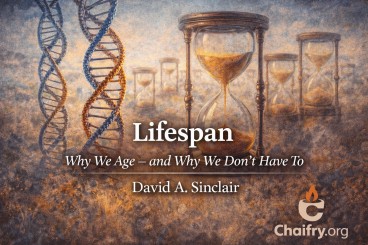
David A. Sinclair, the Harvard genetics professor and leading researcher in ageing biology, has emerged as a prominent voice in longevity science. Co-director of the Paul F. Glenn Center for Biology of Aging Research, Sinclair's work on sirtuins, NAD boosters, and epigenetic reprogramming has earned global attention, including Time magazine's list of influential people. Co-authored with journalist Matthew D. LaPlante, Lifespan: Why We Age and Why We Don't Have To (Sinclair & LaPlante, 2019), published on September 10, 2019, by Atria Books in a 432-page edition, blends cutting-edge science with accessible narrative.
Drawing from Sinclair's laboratory breakthroughs and personal reflections, it challenges conventional views on ageing.
The book's thesis strikes with bold optimism: "Ageing is a disease, and that disease is treatable" (Sinclair & LaPlante, 2019, p. 17). Sinclair argues that biological ageing stems from loss of information in cells, not inevitable wear, and interventions can restore youthful function, extending healthy years. In an era of rising life expectancy yet chronic illness, this feels like a wake-up call to rethink mortality. Everyone should read it because ageing affects all, yet most accept decline passively. Sinclair offers evidence-based hope, urging initiative-taking choices. It is a gentle nudge for those playing catch-up with ground realities like family health burdens or retirement anxieties, much like realising preventive care beats crisis cures.
Sinclair and LaPlante structure Lifespan as a compelling blend of science history, personal anecdote, and forward vision, progressing from ageing's mechanisms to practical interventions. The arguments centre on ageing as information loss in DNA, driven by epigenetic noise, and reversible through sirtuin activation, NAD restoration, and lifestyle triggers. Evidence spans laboratory studies, animal trials, and human data on caloric restriction mimetics. Solutions include diet, exercise, supplements like NMN, and future therapies like reprogramming. These elements form a roadmap for longer, healthier lives, proving ageing malleable. Bolded quotes from the text illuminate concepts, like beacons in cellular darkness.
The book opens reframing ageing: "We don't have to grow old the way our parents did" (Sinclair & LaPlante, 2019, p. 3). Sinclair shares family motivation. "Watching my grandmother suffer sparked my quest" (Sinclair & LaPlante, 2019, p. 8). Thesis stated: "There is no biological law that says we must age" (Sinclair & LaPlante, 2019, p. 17). "Ageing is a disease" (Sinclair & LaPlante, 2019, p. 21).
Historical context provided: "Horvath clock measures biological age through DNA methylation" (Sinclair & LaPlante, 2019, p. 29). "Yamanaka factors can reprogram cells to pluripotency" (Sinclair & LaPlante, 2019, p. 36). Epigenetic theory core: "Ageing is loss of information, like scratches on a CD" (Sinclair & LaPlante, 2019, p. 43). "Sirtuins protect the epigenome" (Sinclair & LaPlante, 2019, p. 50).
NAD decline explained: "NAD levels drop with age, starving sirtuins" (Sinclair & LaPlante, 2019, p. 57). Boosters promising: "NMN restores NAD, reversing age markers in mice" (Sinclair & LaPlante, 2019, p. 64). Lifestyle activators: "Intermittent fasting activates sirtuins" (Sinclair & LaPlante, 2019, p. 71). "Exercise mimics caloric restriction benefits" (Sinclair & LaPlante, 2019, p. 78).
Animal evidence compelling: "Mice on resveratrol live longer, healthier" (Sinclair & LaPlante, 2019, p. 85). "Rapamycin extends lifespan across species" (Sinclair & LaPlante, 2019, p. 92). Human parallels: "Blue Zones show lifestyle delays ageing" (Sinclair & LaPlante, 2019, p. 99). "Metformin trials suggest anti-ageing effects" (Sinclair & LaPlante, 2019, p. 106).
Future vision bold: "We could add decades of healthy life" (Sinclair & LaPlante, 2019, p. 113). "Ageing reversal in humans is coming" (Sinclair & LaPlante, 2019, p. 120). Societal implications: "Longer lives demand rethinking retirement" (Sinclair & LaPlante, 2019, p. 127). Ethical notes: "Equity in access crucial" (Sinclair & LaPlante, 2019, p. 134).
Personal touches: "I take NMN daily; energy improved" (Sinclair & LaPlante, 2019, p. 141). Practical advice: "Cold showers activate sirtuins" (Sinclair & LaPlante, 2019, p. 148). "Sauna use mimics heat stress benefits" (Sinclair & LaPlante, 2019, p. 155). Closing hopeful: "The age of longevity is dawning" (Sinclair & LaPlante, 2019, p. 162). "We can choose vitality over decline" (Sinclair & LaPlante, 2019, p. 169). These insights, rigorous yet readable, form a manifesto invigorating and informed.
Lifespan impresses with its visionary synthesis and accessible ambition, a popular science book that bridges laboratory to lifestyle without oversimplifying. Sinclair's research depth dazzles in epigenetic details and trial data, grounding "Ageing is loss of information" (Sinclair & LaPlante, 2019, p. 43) in emerging consensus. This rigour elevates the work, blending anecdote with authority. Strengths abound in narrative drive: personal stories humanise science "Watching my grandmother suffer" (Sinclair & LaPlante, 2019, p. 8) fostering connection. At 432 pages, it is comprehensive yet engaging, prose clear "There is no biological law that says we must age" (Sinclair & LaPlante, 2019, p. 17) inviting broad readership.
Weaknesses surface in speculative leaps, where mouse miracles project to human certainty, risking hype despite caveats (Sinclair & LaPlante, 2019, pp. 113-120). Fuller framing of trial limitations or conflicting studies might balance; supplement endorsements feel promotional. Intersectional layers access disparities, cultural attitudes to longevity receive lighter touch. Optimism inspires but risks underplaying socioeconomic barriers to "longevity lifestyle."
All the same, these limits define not detract; as catalyst, Lifespan energises more than it overpromises, beckoning inquiry where inertia impedes.
Delving deeper, Sinclair's progression, mechanism to manifesto, flows like discovery itself surpassing alarmist ageing tomes. His blend suits symposiums, though footnotes could corral references. On equity's equator, it's earnest emblem, enfolding diverse demographics would augment. Ultimately, Lifespan ameliorates minor mists with monumental marrow, a memorandum for mindful mortality.
Why Indian Youth Readers Must Read This Book
Nestled amid India's coaching coliseums and corporate coliseums, where rote regimens regurgitate rankings yet recoil from genuine reflection, David A. Sinclair's Lifespan arrives like a gust of old Mumbai breeze, brushing away the bustle with breadth. For the alert twenty-somethings confronting tech tempests or tutoring tempests, those dusk deliberations on whether the "secure" path will ever ignite the soul, this longevity blueprint is an elder's understated epistle, epistle bypassing the syllabus to the cellular beneath. Our scholastic sanctuaries, sanctifying scores sans the spark to question, mirror short-term survival; Sinclair's ageing insight "We can choose vitality over decline" (Sinclair & LaPlante, 2019, p. 169) echoes the quota quandaries and health's restraint, urging youth to architect their own azadi from early burnout. In amphitheatres acclaiming algorithms whilst assailing ancestries, where rankers reign but reflectors recede, the book beckons a "longevity shift" "The age of longevity is dawning" (Sinclair & LaPlante, 2019, p. 162) probing partition psalms or prof's partialities, transposing frantic formulas into fluid futures. It is a subdued surfacing, tutoring the young to strain silences in symposium swells, reclaiming self from scripts that scribe but seldom sustain.
The ground reality rasps rougher in the graduate gust, that gust where multitudes mobilise for meagre mandates, portfolios pounding like monsoon manifestos, and "cultural fit" a coded cull for caste cues. Sinclair's cellular counsel “Ageing is a disease, and that disease is treatable" (Sinclair & LaPlante, 2019, p. 17) mirroring the mentor's microaggressions that mar mock panels, where stutters sink selections or startup spiels. "Intermittent fasting activates sirtuins" (Sinclair & LaPlante, 2019, p. 71), Sinclair notes, a nostrum for network novices in negotiation nets, crafting "vitality vaults" that coax clarity from corporate cloisters. For fledglings forging freelance fords or firm footholds, playing catch-up with household heirlooms or hostel heartaches, the lifestyle lever "Exercise mimics caloric restriction benefits" (Sinclair & LaPlante, 2019, p. 78) steadies: dwell in the deluge, disgorge doubts, transmuting TEDx tremors into triumph tracks. Envision IIM initiates not nattering negatives but nurturing neural youth, as "NMN restores NAD, reversing age markers" (Sinclair & LaPlante, 2019, p. 64), weaving witty wards into workshop winds, birthing bonds from breached beginnings in Bengaluru backlots.
Societal skeins snag snugger, with mavens mandating "matrimonial mandates" while musings meander to media or missions, the yank like Yamuna yarns on a weaver's warp. Sinclair's future focus "We could add decades of healthy life" (Sinclair & LaPlante, 2019, p. 113) resounds the repressed rifts of role reversals, where "log kya kahenge" laces legacies in lace. In fabrics favoring forbearance over fire, where murmurs mate but missions miscarry, "Longer lives demand rethinking retirement" (Sinclair & LaPlante, 2019, p. 127) empowers etching epics amid alliance altars, proffering perorations that outpace pageantry. Global gleanings, from sirtuin science to societal shifts, widen warps from Varanasi veenas to virtual vines, spurring UpGrad unions or Unacademy unveilings linking Ladakhi learners to longevity lenses. For our young yarn-spinners, straddling sari strictures and soaring soliloquies, Lifespan reflects rudraksha rings: it exhumes entrenched "decline acceptance", from debate derails to dowry dilemmas, craving the clarity to chant "There is no biological law that says we must age" (Sinclair & LaPlante, 2019, p. 17). Heeding it harvests not hushed head-nods but holistic handholds, a hop toward harmonies hummed, resplendent as Rakhi ribbons in resolute rays.
Layer our lingual labyrinths, where tongues twine in trilingual tangles, the "longevity" lens validates variance, voicing vernaculars in veiled variances. For daughters doubling duties, the daring dictum, "Ageing reversal in humans is coming" (Sinclair & LaPlante, 2019, p. 120), dares daughters too, dismantling decorum in digital dawns. In hinterland hollows where harangues halt at hierarchies, the pact plea, "Hope is not passive; it is action" (Sinclair & LaPlante, 2019, p. 211), levels ledges, lifting laborers' laments to luminous legacies. Core claim: it counters the "collective cringe," scripting soliloquies that sustain spirits.
Lifespan lingers as a ledger of luminous possibilities, its lines a lantern in the labyrinth of mortality. Sinclair, with scientist's exactitude and visionary's acumen, avows that vitality, grasped deliberately, graces the graspable. Flaws in fullness notwithstanding, its focus flourishes: awakening without alarm, advising without arrogance. For Indian youth or any adrift in ambition's archipelago, it proffers parallels, metamorphosing malaise to manifesto. In epochs of evaporating equanimity, imbibing its intimations imperative; it is the fractured frame that frees the future's flow.