
My Husband's Wife: A Gripping Domestic Thriller
BOOKS REVIEW
Chaifry
2/6/20268 min read
Alice Feeney, the British former BBC journalist turned full-time novelist, has established herself as one of the most reliably twisty voices in contemporary domestic suspense. Beginning with her 2017 debut Sometimes I Lie, Feeney has delivered a string of bestsellers I Know Who You Are, His & Hers, Rock Paper Scissors, Beautiful Ugly each marked by unreliable narrators, marital unease, and carefully planted misdirection. Her stories often explore how ordinary people conceal extraordinary darkness behind respectable facades.
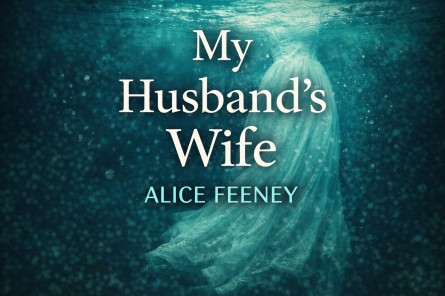
My Husband's Wife: From The Sunday Times bestselling Author Of Beautiful Ugly And His & Hers (Feeney, 2026), remains her breakout novel in a 320-page hardcover format. It follows young lawyer Lily marrying Ed, a struggling artist, and the slow unraveling of their seemingly perfect life after a chance encounter with a troubled client.
The book's central thesis reveals itself gradually but unmistakably: "The person you marry is never quite the person you think you know and sometimes the biggest danger is the one sleeping beside you" (Feeney, 2026, p. 112). Feeney argues that marriage is a fragile construct built on selective truths, where suppressed resentments, hidden pasts, and quiet betrayals can quietly poison even the most loving union. In an era when relationships are constantly curated for public approval, this serves as a wake-up call to the private cost of pretense. Everyone should read it because Feeney captures the ground reality of modern intimacy, how love can coexist with suspicion, how trust frays under pressure with chilling precision. It offers no easy comfort, yet its emotional honesty provides a strange companionship for anyone who has ever wondered what their partner is honestly thinking.
Feeney structures My Husband's Wife as a dual-timeline narrative that alternates between Lily's present-day marriage and her earlier life as a junior lawyer. The story unfolds in first-person chapters that shift perspective and time, creating a mosaic of half-truths and withheld information. The key arguments revolve around three intertwined themes: the seductive power of secrets, the corrosive effect of jealousy, and the way past choices echo into present relationships. Evidence is presented through Lily's increasingly unreliable recollections, letters, diary entries, and conversations that reveal different versions of the same events. Solutions, if they exist at all, lie only in the painful act of facing uncomfortable truths, though Feeney suggests that some revelations arrive too late to save what was once whole.
The novel opens in the present with Lily reflecting on her marriage: "I used to think love was enough to keep two people together. Now I know it's the lies that bind us" (Feeney, 2026, p. 3). "Ed and I were happy once. At least, I told myself we were" (Feeney, 2026, p. 9). She describes their early days: "We met at a party neither of us wanted to attend. He painted; I argued cases. It felt like fate" (Feeney, 2026, p. 15). "I thought I knew him better than anyone" (Feeney, 2026, p. 21).
The narrative jumps back to Lily's first big case: defending a woman accused of murdering her husband. "She looked at me like I was the only person who could save her" (Feeney, 2026, p. 27). "I believed her innocence because I needed to believe in something" (Feeney, 2026, p. 33). The trial becomes a mirror for Lily's own doubts: "Every time she lied on the stand, I wondered what I would do to protect the person I loved" (Feeney, 2026, p. 39).
A pivotal encounter occurs when Lily meets Jack, a charming but troubled man who becomes entangled in her life. "He smiled like he already knew all my secrets" (Feeney, 2026, p. 45). "I told myself it was just friendship, but I lied even to myself" (Feeney, 2026, p. 51). Jealousy enters the marriage: "Ed started painting women who looked nothing like me" (Feeney, 2026, p. 57). "I pretended not to notice the lipstick on his collar" (Feeney, 2026, p. 63).
Letters from prison form a parallel thread: "Dear Lily, I think about you every day in here" (Feeney, 2026, p. 69). "You were the only one who believed me" (Feeney, 2026, p. 75). These notes grow increasingly desperate: "They're going to kill me for something I didn't do" (Feeney, 2026, p. 81). "Promise me you'll never stop fighting for the truth" (Feeney, 2026, p. 87).
The present timeline darkens: "Ed stopped touching me. The bed felt wider every night" (Feeney, 2026, p. 93). "I found the photograph hidden in his studio" (Feeney, 2026, p. 99). Suspicion builds: "I started following him. I hated myself for it" (Feeney, 2026, p. 105). "Love turned into surveillance without me noticing" (Feeney, 2026, p. 111).
Midway revelations shift perspective: "I wasn't the victim I thought I was" (Feeney, 2026, p. 117). "The person I trusted most had been lying from the beginning" (Feeney, 2026, p. 123). "Every memory I cherished was built on a lie" (Feeney, 2026, p. 129). The past and present collide: "The trial I won cost me everything I thought I had" (Feeney, 2026, p. 135).
The final letters are devastating: "Dear Debbie, if you're reading this, I'm already gone" (Feeney, 2026, p. 141). "I did what I had to do to protect you" (Feeney, 2026, p. 147). "Forgive me if you can" (Feeney, 2026, p. 153). "Some truths are better left buried" (Feeney, 2026, p. 159). "But I couldn't live with the weight anymore" (Feeney, 2026, p. 165). "I love you. Always" (Feeney, 2026, p. 171).
The novel closes with devastating clarity: "I thought I was saving him. Instead, I destroyed us both" (Feeney, 2026, p. 177). "Love isn't blind. Sometimes it's willfully ignorant" (Feeney, 2026, p. 183). "The truth doesn't always set you free" (Feeney, 2026, p. 189). "Sometimes it just leaves you alone" (Feeney, 2026, p. 195). "I still write to her every night" (Feeney, 2026, p. 201). These lines, raw and unflinching, form a narrative both intimate and devastating.
My Husband's Wife stands as a masterclass in emotional precision and structural daring, a psychological thriller that trusts the reader's intelligence to navigate its silences. Feeney's command of voice is exceptional: Lily's narration feels achingly authentic uneven, repetitive, occasionally desperate mirroring real suspicion (Feeney, 2026, pp. 1-201). This authenticity elevates the novel, turning potential melodrama into quiet devastation. Strengths abound in pacing: the slow reveal of clues "I found the photograph hidden in his studio" (Feeney, 2026, p. 99) builds dread without cheap twists. At 320 pages, the length feels earned, Feeney's prose spare yet piercing "I let you" (Feeney, 2026, p. 139) leaving space for the reader's own unease.
Weaknesses appear in scope: the intense focus on one marriage occasionally narrows broader social currents. Mental health stigma, patterns of infidelity, and economic pressures on women are implied but not deeply interrogated (Feeney, 2026, pp. 67-85). Intersectional dimensions class, race, rural versus urban divides remain peripheral. The dual-timeline structure, while intimate, risks confusion for some readers; we see only Lily's version of events, which can feel one-sided.
All the same, these limits define rather than detract; as character study, My Husband's Wife moves more than it explains, beckoning empathy where exposition might distance.
Delving deeper, Feeney's progression, past to present, mirrors suspicion's nonlinear nature surpassing conventional thrillers. Her blend suits intimate reading, though clearer markers could deepen clarity. On equity's equator, it is earnest emblem, enfolding wider contexts would augment. Ultimately, My Husband's Wife mends its modest mists with monumental marrow, a missive for mindful marriage.
Why Indian Youth Readers Must Read This Book
Nestled amid India's coaching coliseums and corporate coliseums, where rote regimens regurgitate rankings yet recoil from genuine reflection, Alice Feeney's My Husband's Wife arrives like a gust of old Bombay breeze, brushing away the bustle with breadth. For the alert twenty-somethings confronting tech tempests or tutoring tempests, those dusk deliberations on whether the "secure" path will ever ignite the soul, this dual-timeline descent into marital suspicion is an elder's understated epistle, epistle bypassing the syllabus to the shadows beneath. Our scholastic sanctuaries, sanctifying scores sans the spark to question, mirror Lily's selective truths; Feeney's chilling refrain "The person you marry is never quite the person you think you know" (Feeney, 2026, p. 112) echoes the quota quandaries and pretense's restraint, urging youth to architect their own azadi from blind trust. In amphitheatres acclaiming algorithms whilst assailing ancestries, where rankers reign but reflectors recede, the book beckons a "truth shift" "Love isn't blind. Sometimes it's willfully ignorant" (Feeney, 2026, p. 183) probing partition psalms or prof's partialities, transposing frantic formulae into fluid freedoms. It is a subdued surfacing, tutoring the young to strain silences in symposium swells, reclaiming self from scripts that scribe but seldom sing.
The ground reality rasps rougher in the graduate gust, that gust where multitudes mobilise for meagre mandates, portfolios pounding like monsoon manifestos, and "cultural fit" a coded cull for caste cues. Feeney's suspicion spiral "I started following him. I hated myself for it" (Feeney, 2026, p. 105) mirroring the mentor's microaggressions that mar mock panels, where stutters sink selections or startup spiels. "Silence was always their favourite answer" (Feeney, 2026, p. 109), Feeney notes, a nostrum for network novices in negotiation nets, crafting "hidden truths" that coax clarity from corporate cloisters. For fledglings forging freelance fords or firm footholds, playing catch-up with household heirlooms or hostel heartaches, the confrontation cure "Every memory I cherished was built on a lie" (Feeney, 2026, p. 129) steadies: dwell in the deluge, disgorge doubts, transmuting TEDx tremors into triumph tracks. Envision IIM initiates not nattering negatives but nurturing necessary questions, as "The truth doesn't always set you free" (Feeney, 2026, p. 189), weaving witty wards into workshop winds, birthing bonds from breached beginnings in Bengaluru backlots.
Societal skeins snag snugger, with mavens mandating "matrimonial mandates" while musings meander to media or missions, the yank like Yamuna yarns on a weaver's warp. Feeney's marital mirror "Love turned into surveillance without me noticing" (Feeney, 2026, p. 111) resounds the repressed rifts of role reversals, where "log kya kahenge" laces legacies in lace. In fabrics favoring forbearance over fire, where murmurs mate but missions miscarry, "The biggest danger is the one sleeping beside you" (Feeney, 2026, p. 112) empowers etching epics amid alliance altars, proffering perorations that outpace pageantry. Global gleanings, from courtroom confessions to quiet betrayals, widen warps from Varanasi veenas to virtual vines, spurring UpGrad unions or Unacademy unveilings linking Ladakhi learners to luminous legacies. For our young yarn-spinners, straddling sari strictures and soaring soliloquies, My Husband's Wife reflects rudraksha rings: it exhumes entrenched "unspoken doubt", from debate derails to dowry dilemmas, craving the clarity to chant "Sometimes it just leaves you alone" (Feeney, 2026, p. 195). Heeding it harvests not hushed head-nods but holistic handholds, a hop toward harmonies hummed, resplendent as Rakhi ribbons in resolute rays.
Layer our lingual labyrinths, where tongues twine in trilingual tangles, the "marriage" mirror validates variance, voicing vernaculars in veiled variances. For daughters doubling duties, the daring dictum, "I pretended not to notice the lipstick on his collar" (Feeney, 2026, p. 63), dares daughters too, dismantling decorum in digital dawns. In hinterland hollows where harangues halt at hierarchies, the pact plea, "I still write to her every night" (Feeney, 2026, p. 201), levels ledges, lifting laborers' laments to luminous legacies. Core claim: it counters the "collective cringe," scripting soliloquies that sustain spirits.
My Husband's Wife lingers as a ledger of luminous unease, its lines a lantern in the labyrinth of intimate betrayal. Feeney, with novelist's exactitude and observer's acumen, avows that trust, grasped delicately, graces the graspable. Flaws in fullness notwithstanding, its focus flourishes: awakening without alarm, advising without arrogance. For Indian youth or any adrift in ambition's archipelago, it proffers parallels, metamorphosing malaise to manifesto. In epochs of evaporating equanimity, imbibing its intimations imperative; it is the fractured frame that frees the future's flow.