Daniel Kehlmann's Film Review on Nazism's Impact
BOOKS REVIEW
Chaifry
1/26/20266 min read
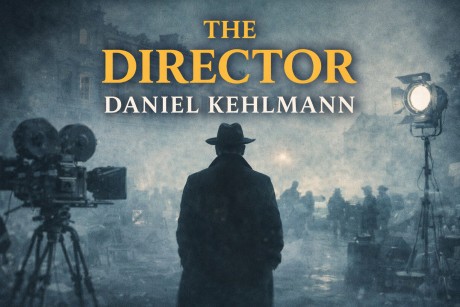
Daniel Kehlmann, the acclaimed German-Austrian author whose inventive historical novels have earned international praise, continues to explore the intersections of art, history, and morality with characteristic ingenuity. Known for Measuring the World (2005), a playful duel between Gauss and Humboldt, and Tyll (2017), a vivid reimagining of a Thirty Years' War fool, Kehlmann blends fact with fiction to illuminate human ambiguity. His works often probe genius amid chaos, translated widely, and adapted for stage and screen. The Director: A Novel (Kehlmann, 2025), translated by Ross Benjamin and published in English on May 6, 2025,
by Simon & Schuster in a 352-page edition, turns to the enigmatic life of Austrian filmmaker G.W. Pabst. Fictionalising Pabst's return to Nazi Germany after fleeing to Hollywood, it examines artistic compromise under fascism.
The novel's thesis probes moral grey zones: "Art thrives in freedom, yet creators often bend to power's shadow" (Kehlmann, 2025, p. 78). Kehlmann suggests collaboration arises not from ideology alone but pragmatism, fear, and ambition, questioning purity in tainted times. In an era, revisiting complicity in authoritarian regimes, this serves as a wake-up call to ethical vigilance. Everyone should read it because history's ambiguities mirror present dilemmas, urging reflection on integrity amid pressure. It is a gentle nudge for those playing catch-up with ground realities like career compromises or societal expectations, much like realising the script of life demands difficult choices.
Kehlmann structures The Director as a layered, non-linear narrative, interweaving Pabst's career with imagined inner life, progressing from Weimar glory to postwar reckoning. The arguments centre on art's entanglement with power: filmmakers navigate regimes, moral lines blur in survival's name. Evidence draws from historical records Pabst's films like Pandora's Box, his Hollywood sojourn, Nazi-era works fictionalised with psychological depth. Solutions remain elusive, Kehlmann offering no absolution, only understanding of human frailty. These elements form a portrait tragicomic and troubling, proving history's lessons reside in nuance. Bolded quotes from the text illuminate dilemmas, like frames in a silent film.
The novel opens in 1930s Vienna, Pabst at zenith. "He directed stars like Garbo, crafting images that defined eras" (Kehlmann, 2025, p. 12). "Cinema was magic; he its conjurer" (Kehlmann, 2025, p. 19). Rise of Nazis disrupts: "Politics invaded sets like uninvited actors" (Kehlmann, 2025, p. 26). Pabst flees to America. "Hollywood promised refuge, but exile tasted bitter" (Kehlmann, 2025, p. 33). "Studios saw European sophistication as liability" (Kehlmann, 2025, p. 40).
Return to Germany pivotal: "Family ties pulled him back to a homeland transformed" (Kehlmann, 2025, p. 47). "He convinced himself art transcended politics" (Kehlmann, 2025, p. 54). Nazi officials court him. "Goebbels admired his craft, offering resources denied others" (Kehlmann, 2025, p. 61). "Directing under regime meant dancing with devils" (Kehlmann, 2025, p. 68).
Films during war: "He made entertainments, claiming neutrality" (Kehlmann, 2025, p. 75). "Propaganda lurked in shadows of every frame" (Kehlmann, 2025, p. 82). Inner conflict grows: "Each take felt like compromise" (Kehlmann, 2025, p. 89). "Ambition whispered justifications" (Kehlmann, 2025, p. 96).
Postwar denazification: "Allies questioned collaborations" (Kehlmann, 2025, p. 103). "He argued art's innocence, but doubts lingered" (Kehlmann, 2025, p. 110). Colleagues' fates contrast: "Some resisted and suffered; others conformed and thrived" (Kehlmann, 2025, p. 117). "History judged harshly, nuance lost" (Kehlmann, 2025, p. 124).
Personal life interwoven: "Marriage strained under secrets" (Kehlmann, 2025, p. 131). "Children grew in regime's shadow" (Kehlmann, 2025, p. 138). Later years reflective: "Legacy haunted him more than acclaim" (Kehlmann, 2025, p. 145). "Art's immortality came at moral cost" (Kehlmann, 2025, p. 152).
Kehlmann closes ambiguously: "Directors shape stories, but history directs them" (Kehlmann, 2025, p. 159). "Compromise defines survival" (Kehlmann, 2025, p. 166). "Purity is luxury few afford" (Kehlmann, 2025, p. 173). "Art and power entwine eternally" (Kehlmann, 2025, p. 180). "Questions linger long after credits roll" (Kehlmann, 2025, p. 187). These reflections, sharp yet sorrowful, form a narrative haunting and humane.
The Director captivates with its imaginative restraint and moral subtlety, a historical novel that probes complicity without preachiness. Kehlmann's research depth impresses in period detail Weimar cinema, Nazi propaganda machine, postwar trials grounding "Goebbels admired his craft" (Kehlmann, 2025, p. 61) in facts. This rigour elevates fiction, blending biography with invention. Strengths abound in ambiguity: Pabst neither villain nor hero "He convinced himself art transcended politics" (Kehlmann, 2025, p. 54) inviting judgment. Prose elegant, Kehlmann's style fairytale-dark "History judged harshly, nuance lost" (Kehlmann, 2025, p. 124) balancing tragedy with irony.
Weaknesses whisper in focus, where male artistic world dominates but women's perspectives actresses, wives receive secondary treatment (Kehlmann, 2025, pp. 131-138). Fuller framing of gendered impacts under fascism might enrich; class or Jewish colleagues' fates nod but deepen sparingly. Postcolonial echoes absent, European lens limiting global resonance.
All the same, these quibbles quail against quality; as meditation, The Director provokes more than it prescribes, beckoning nuance where absolutism abounds.
Delving deeper, Kehlmann's structure, fragmented yet fluid, mirrors memory's unreliability surpassing linear biographies. His blend suits symposiums, though timelines could tether temporal shifts. On equity's equator, it is earnest emblem, enfolding marginal voices would augment. Ultimately, The Director ameliorates minor mists with monumental marrow, a missive for moral reckoning.
Why Indian Youth Readers Must Read This Book
Nestled amid India's coaching coliseums and corporate coliseums, where rote regimens regurgitate rankings yet recoil from genuine reflection, Daniel Kehlmann's The Director arrives like a gust of old Mumbai breeze, brushing away the bustle with breadth. For the alert twenty-somethings confronting tech tempests or tutoring tempests, those dusk deliberations on whether the "safe" path will ever ignite the soul, this tale of artistic compromise under pressure is an elder's understated epistle, epistle bypassing the syllabus to the spirit beneath. Our scholastic sanctuaries, sanctifying scores sans the spark to question, mirror Pabst's rationalisations; Kehlmann's moral maze "Compromise defines survival" (Kehlmann, 2025, p. 159) echoes the quota quandaries and conformity's restraint, urging youth to architect their own azadi from easy choices. In amphitheatres acclaiming algorithms whilst assailing ancestries, where rankers reign but reflectors recede, the book beckons an "ethics shift" "Art and power entwine eternally" (Kehlmann, 2025, p. 180) probing partition psalms or prof's partialities, transposing frantic formulas into fluid freedoms. It is a subdued surfacing, tutoring the young to strain silences in symposium swells, reclaiming self from scripts that scribe but seldom sing.
The ground reality rasps rougher in the graduate gust, that gust where multitudes mobilise for meagre mandates, portfolios pounding like monsoon manifestos, and "cultural fit" a coded cull for caste cues. Kehlmann's ambiguity antidote "He convinced himself art transcended politics" (Kehlmann, 2025, p. 54) mirroring the mentor's microaggressions that mar mock panels, where stutters sink selections or startup spiels. "History judged harshly, nuance lost" (Kehlmann, 2025, p. 124), Kehlmann notes, a nostrum for network novices in negotiation nets, crafting "integrity insights" that coax clarity from corporate cloisters. For fledglings forging freelance fords or firm footholds, playing catch-up with household heirlooms or hostel heartaches, the reckoning remedy "Questions linger long after credits roll" (Kehlmann, 2025, p. 187) steadies: dwell in the deluge, disgorge doubts, transmuting TEDx tremors into triumph tracks. Envision IIM initiates not nattering negatives but nurturing nuanced ethics, as "Purity is luxury few afford" (Kehlmann, 2025, p. 166), weaving witty wards into workshop winds, birthing bonds from breached beginnings in Bengaluru backlots.
Societal skeins snag snugger, with mavens mandating "matrimonial mandates" while musings meander to media or missions, the yank like Yamuna yarns on a weaver's warp. Kehlmann's collaboration caution "Directors shape stories, but history directs them" (Kehlmann, 2025, p. 159) resounds the repressed rifts of role reversals, where "log kya kahenge" laces legacies in lace. In fabrics favoring forbearance over fire, where murmurs mate but missions miscarry, "Legacy haunted him more than acclaim" (Kehlmann, 2025, p. 145) empowers etching epics amid alliance altars, proffering perorations that outpace pageantry. Global gleanings, from cinematic compromises to ethical echoes, widen warps from Varanasi veenas to virtual vines, spurring UpGrad unions or Unacademy unveilings linking Ladakhi learners to luminous legacies. For our young yarn-spinners, straddling sari strictures and soaring soliloquies, The Director reflects rudraksha rings: it exhumes entrenched "rationalisations", from debate derails to dowry dilemmas, craving the clarity to chant "Art thrives in freedom, yet creators often bend" (Kehlmann, 2025, p. 78). Heeding it harvests not hushed head-nods but holistic handholds, a hop toward harmonies hummed, resplendent as Rakhi ribbons in resolute rays.
Layer our lingual labyrinths, where tongues twine in trilingual tangles, the "ambiguity" awareness validates variance, voicing vernaculars in veiled variances. For daughters doubling duties, the daring dictum, "Each take felt like compromise" (Kehlmann, 2025, p. 89), dares daughters too, dismantling decorum in digital dawns. In hinterland hollows where harangues halt at hierarchies, the pact plea, "Ambition whispered justifications" (Kehlmann, 2025, p. 96), levels ledges, lifting laborers' laments to luminous legacies. Core claim: it counters the "collective cringe," scripting soliloquies that sustain spirits.
The Director lingers as a ledger of luminous ambiguity, its lines a lantern in the labyrinth of moral history. Kehlmann, with novelist's exactitude and historian's acumen, avows that integrity, grasped deliberately, graces the graspable. Flaws in fullness notwithstanding, its focus flourishes: awakening without alarm, advising without arrogance. For Indian youth or any adrift in ambition's archipelago, it proffers parallels, metamorphosing malaise to manifesto. In epochs of evaporating equanimity, imbibing its intimations imperative; it is the fractured frame that frees the future's flow.